2nd Edition of Cell & Gene Therapy World Conference 2026
Speakers - CGTWC2026
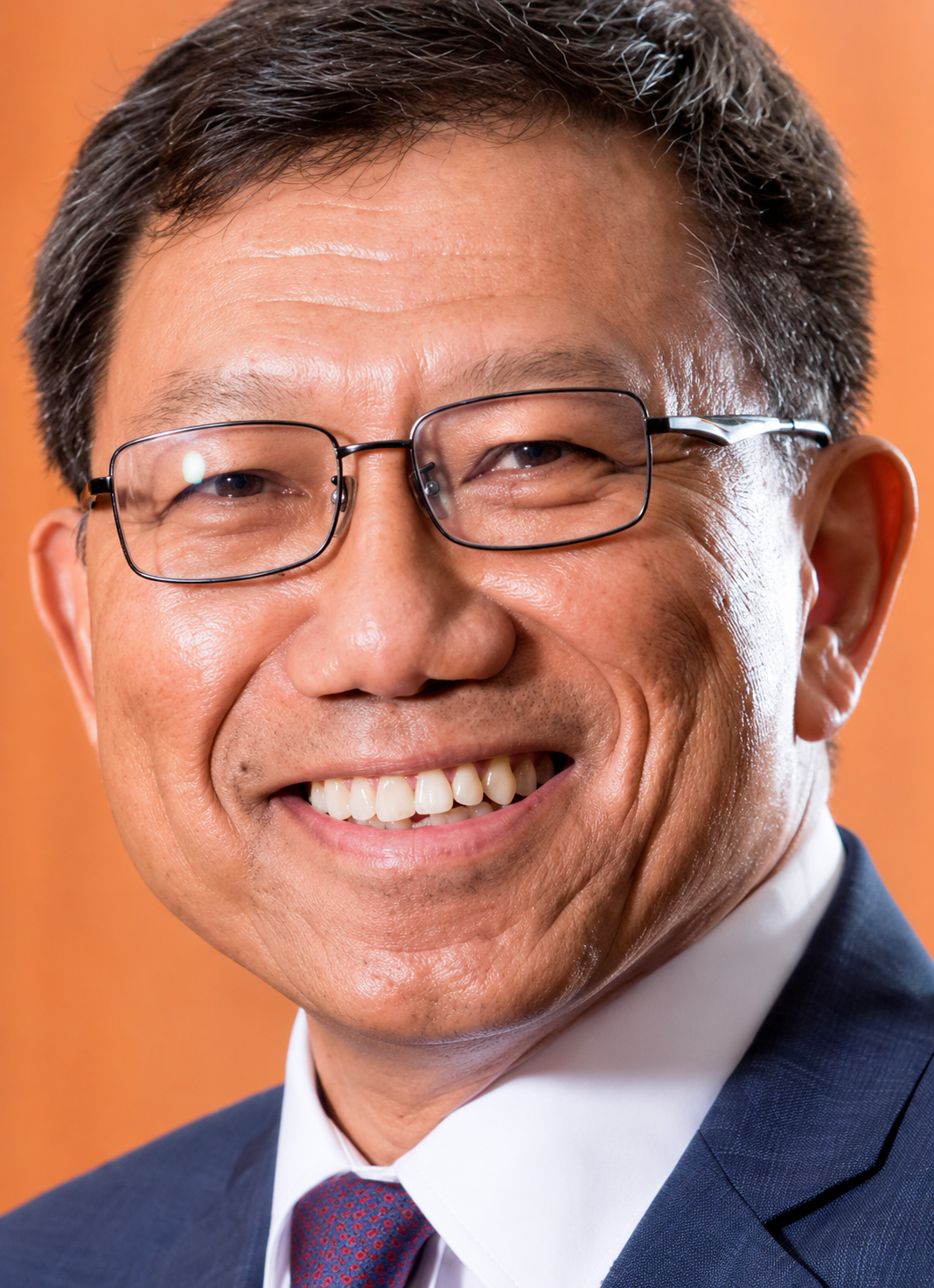
Rocky S Tuan
Rocky S Tuan
- Designation: The Chinese University of Hong Kong
- Country: Hong Kong
- Title: From Joint Regeneration to Joint on a Chip miniJoint
Abstract
Joint diseases such as osteoarthritis (OA) are highly prevalent and represent the primary cause of physical disability. Despite the success of restorative surgeries, functional biological reconstruction of diseased/traumatized articular tissues has not been achieved. This unmet medical need is primarily due to insufficient understanding of disease mechanisms and challenges in engineering functionally mature articular joint tissues. Recent technological advances have led to functional tissue engineering at both the macro- and micro-scales, with the former focusing on regenerative implants and the latter on disease modelling and drug testing. This lecture will provide an overview of the promises and challenges of stem cell- and smart biomaterial-based approaches in articular tissue engineering. Topics to be covered will include: (1) biological optimization of stem cell differentiation and maturation; (2) design and fabrication of biomimetic 3-dimensional biomaterial scaffolds; and (3) development of the miniJoint, a human stem cell-derived joint-on-a-chip system, for studying OA pathogenesis, screening candidate therapeutics, and analysis of organ/system interactions. These studies illustrate the power of stem cell-based tissue engineering in generating functional biological implants and physiologically relevant OA models. In particular, the emerging tissue/organ-on-a-chip technologies exemplifies a “New Approach Method (NAM)”, a policy currently advocated by global medical regulatory agencies that aims to replace animal models with human-centric systems for drug discovery and development. Multidisciplinary, convergent collaborative approaches, with special attention to both physiology and structure and the inclusion of artificial intelligence-based methods, are critical to achieve success in functional tissue engineering, to “repair, restore and re-create” articular tissues.
The 2nd Edition of Cell & Gene Therapy World Conference (CGTWC 2026) is one of those leading events that would stand high in biology and medical science. CGTWC 2026 will be held in ...
Read More>>
Organizer
